Food Waste Composting
at Winchester High School
For a cleaner, greener, more sustainable future.
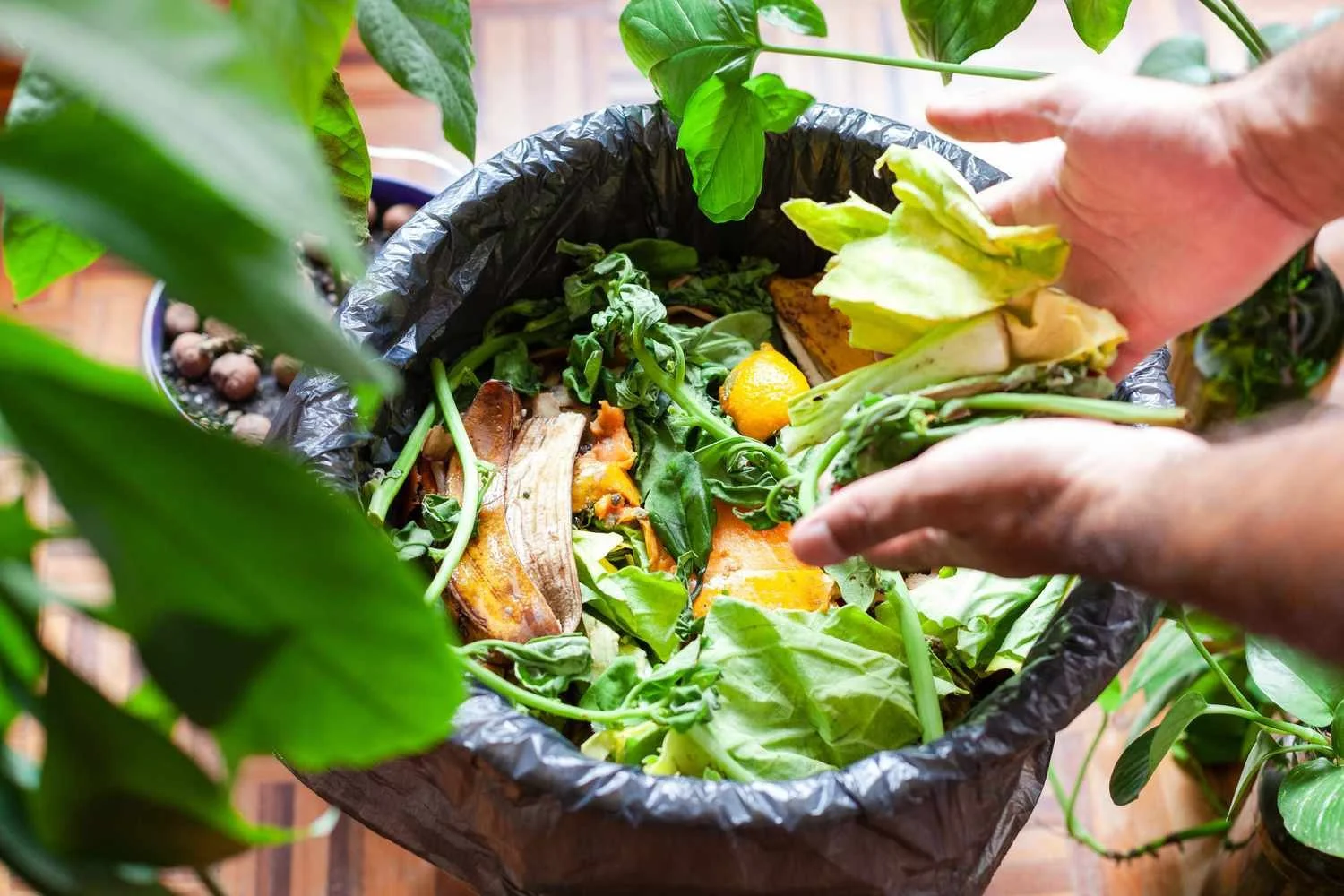
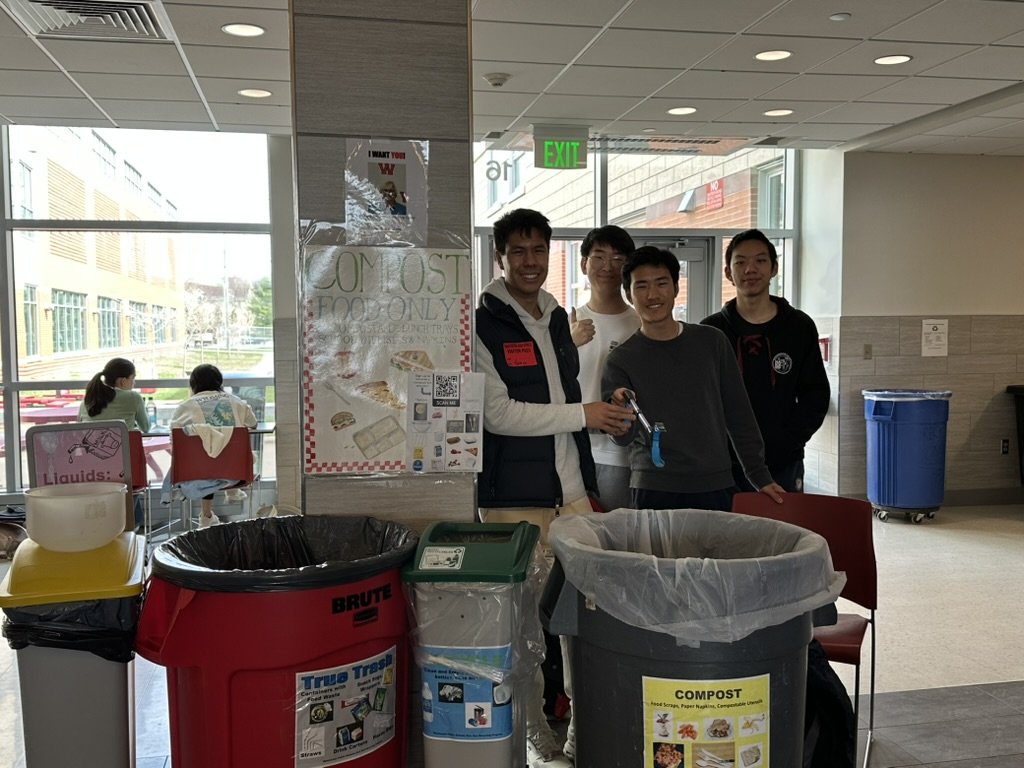
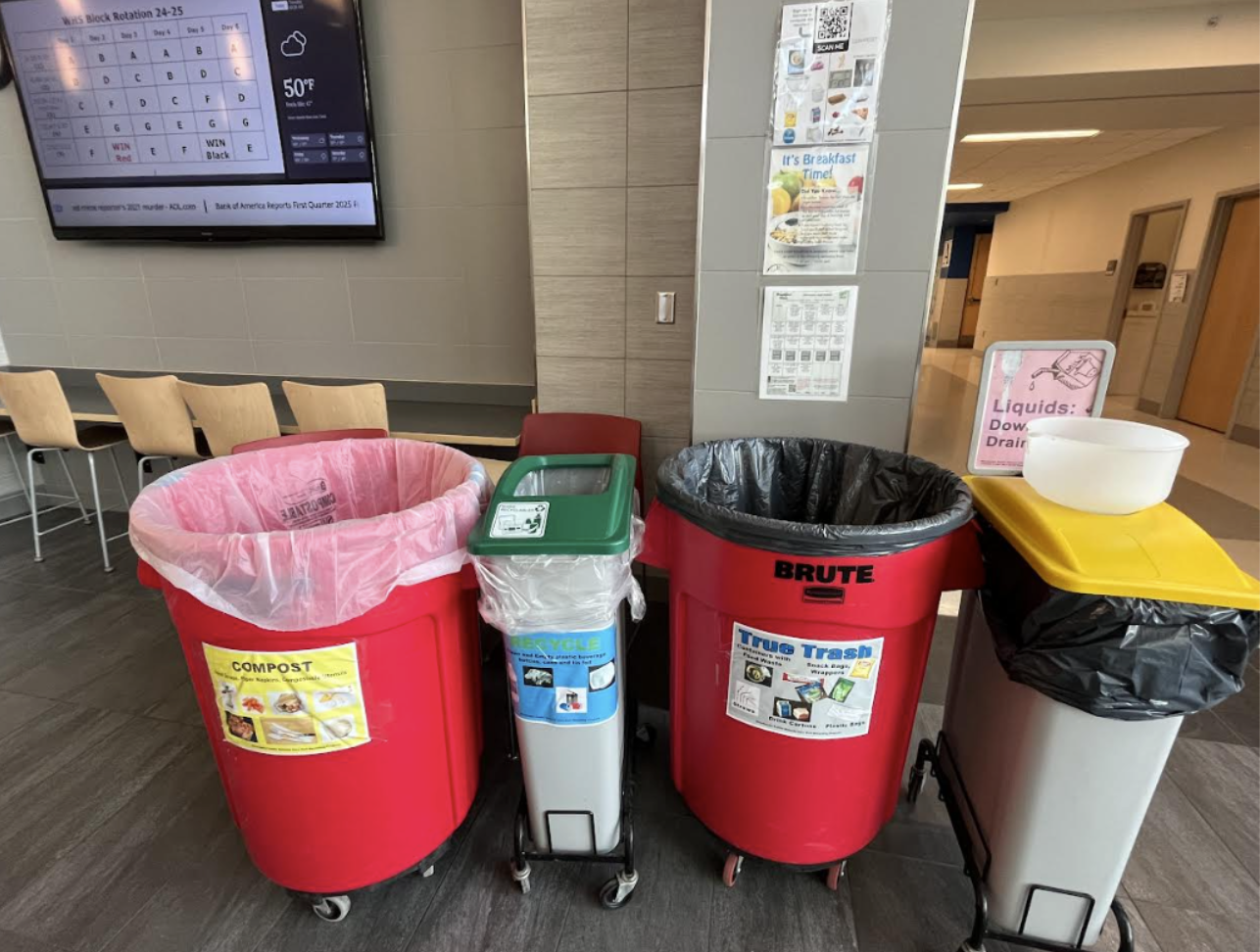
The student-run Food Waste Composting Program was implemented in WHS’s cafeteria on April 14th, 2025. It is the result of a 3-year+ (and counting!) collaboration with the town’s Transfer Station, Climate Action Advisory Committee, school administration, and Student Council.
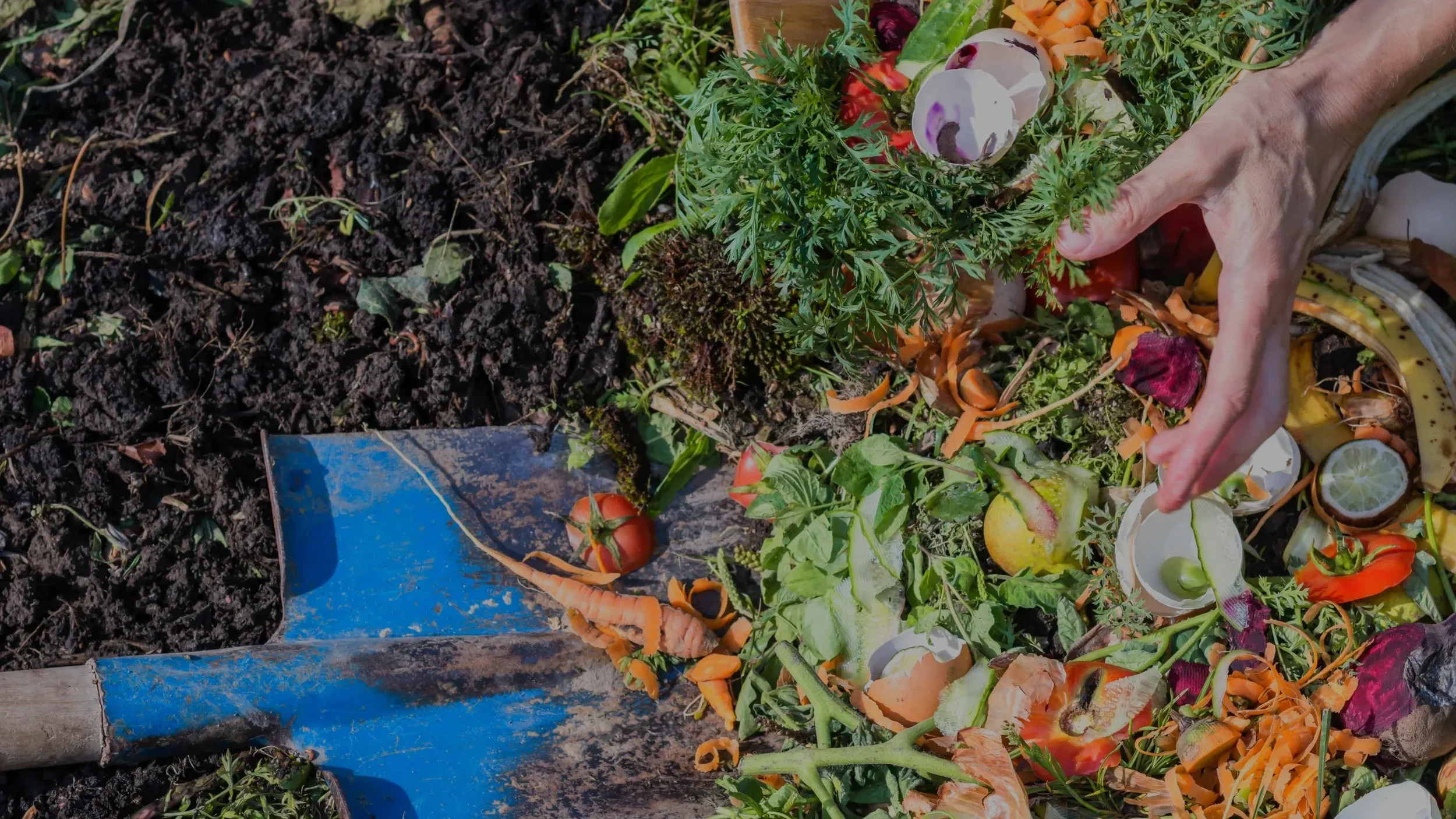
The goal of the program is to divert compostable materials from the trash – and thus, from the incinerator – and to compost them at our Transfer Station. In doing so, we cut air pollution, recycle nutrients to grow crops, reduce eco-anxiety, and help WHS students develop lifelong sustainable habits – among many other environmental benefits!


Food Waste: The Problem
~2.5 billion tons of food wasted every year globally
— WWF
Food insecurity for 35 million people across US
— USDA
3 billion metric tons of CO2-equivalent per year
— National Library of Medicine
Americans waste $408+ billion each year on food
— United Food Bank
Food is the single largest category of material placed in landfills.

At Winchester High School
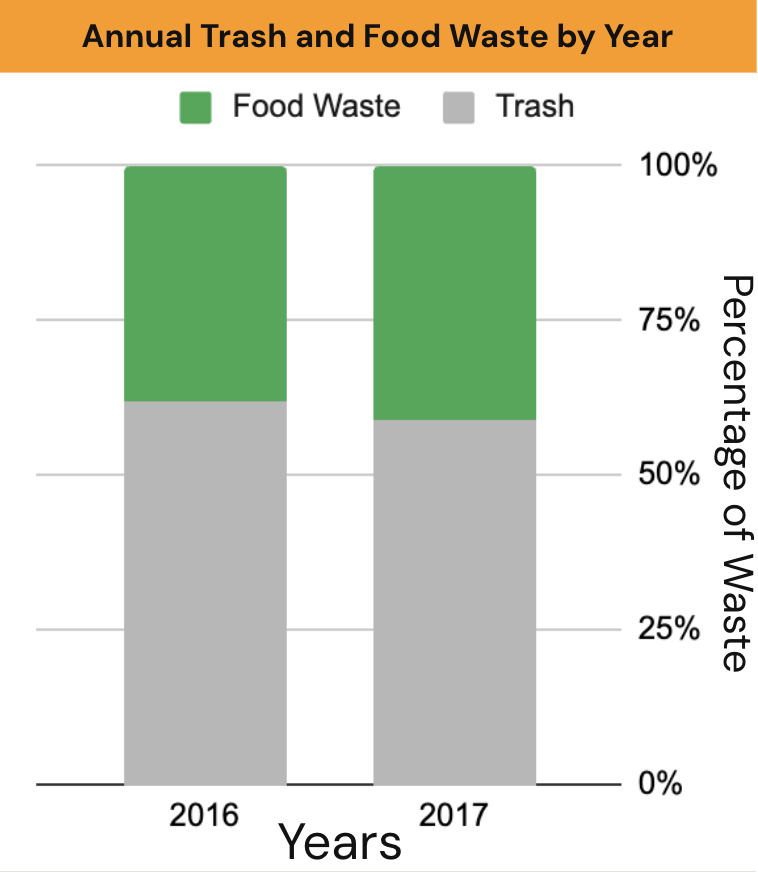
~50% of cafeteria trash is recyclable food waste
~32 lbs of food waste from one lunch period
The Solution:
A sustainable, student-monitored system of separating cafeteria waste into three clean, separate streams: food waste, solid waste, and recycling.


com·pos·ting
/ˈkɑːm.poʊ.stɪŋ/
noun
a natural process where organic matter such as food scraps, paper, and leaves is decomposed into fertilizer
-
Reduces trash burning (fewer harmful byproducts) & air pollution
Recovery and re-use of nutrients/energy in organic materials
Healthy soil soaks up carbon → slows climate change
Soil nutrient increases plant growth, reduces need for chemical fertilizers.
-
Digestor processing costs 95% less than incineration (new aerobic digester in Winchester)
Increase compost to waste ratio by 18% from 10% by end of 2030 → save $16 billion in municipal waste management costs
-
Community engagement and education on sustainable practices
Encourage lifelong habits and environmental stewardship